
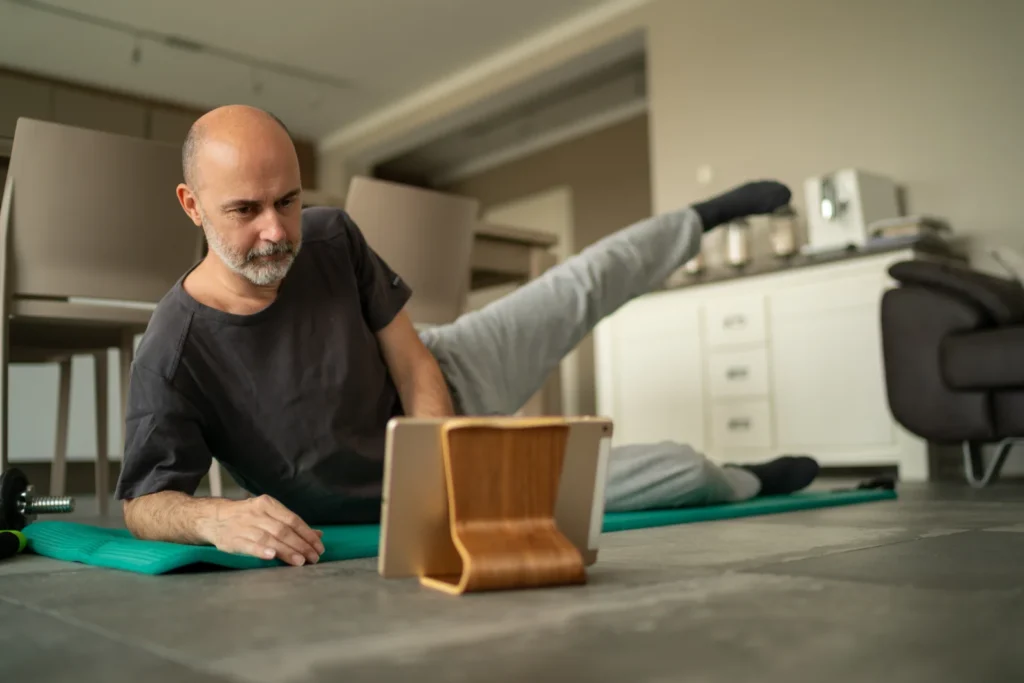

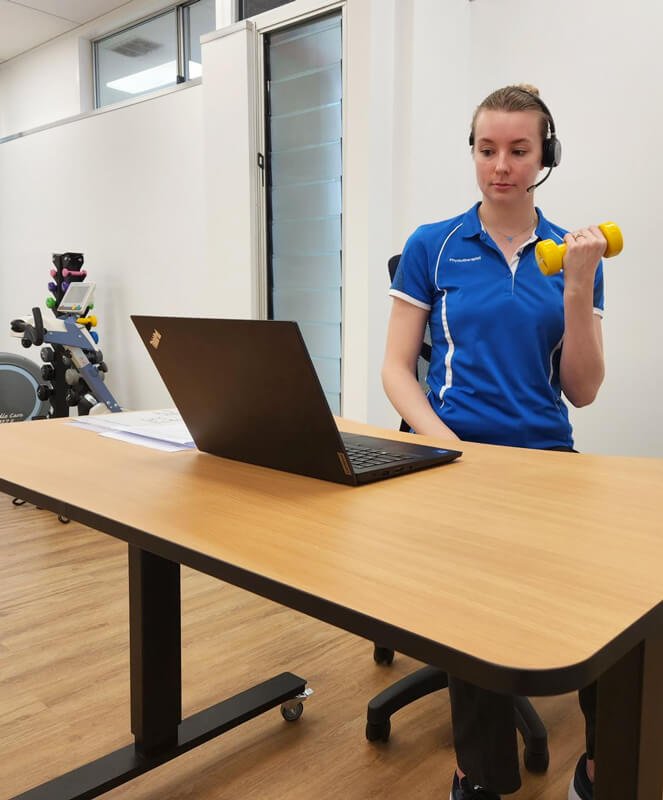
Then came high-speed internet, smartphones, and the global shift towards remote healthcare. Suddenly, the possibility of online physiotherapy, also called tele-physiotherapy, tele-rehabilitation, or virtual physiotherapy became not only feasible but, in some cases, essential..
But does online physiotherapy actually work? And more importantly, when does it deliver great results? In this article, we’ll dive deep into what online physiotherapy is, how it’s delivered, its benefits and limitations, and the situations where it shines. We’ll also explore how clinics like DMPhysios in Noida integrate virtual care into their patient-centered rehabilitation model to support better outcomes.
Online physiotherapy involves delivering assessment, education, exercise programs, and even parts of manual therapy instruction through secure video calls, apps, or digital platforms. Instead of travelling to a clinic, you meet your physiotherapist virtually. You might use your phone camera to show your movement patterns, upload medical reports, or follow along with video-guided exercises.
In most cases, online physiotherapy focuses on:
This model mirrors in-person physiotherapy’s core principle: empowering the patient with knowledge and exercises to recover. While hands-on manual therapy is limited online, the majority of physiotherapy interventions worldwide are exercise and education-based which translates well to a digital setting.
The rise of online physiotherapy wasn’t purely a matter of convenience. Several factors accelerated its adoption:
Clinics such as DMPhysios in Noida adapted quickly, developing secure systems to connect with patients who couldn’t attend in person. For many people, these virtual sessions were a lifeline, keeping their recovery on track despite lockdowns, travel limitations, or health concerns.
The short answer is yes – when implemented correctly and for the right conditions. Numerous peer-reviewed studies and systematic reviews have evaluated tele-rehabilitation. Key findings include:
Importantly, outcomes depend on program quality, therapist experience, patient engagement, and the suitability of the condition for remote management. DMPhysios, for instance, uses evidence-based exercise protocols tailored to each patient, combined with regular virtual check-ins to track progress and make adjustments, a model shown to enhance adherence and results.
Not every injury or condition is suited for online care. However, there are clear scenarios where it performs exceptionally well.
If you’re experiencing non-acute pain in your back, neck, or shoulder, early online physiotherapy can help you start exercises, correct posture, and prevent the issue from worsening. These conditions are primarily managed through education and exercise anyway, making virtual care ideal.
Once your surgeon clears you for movement and your wound is stable, much of the rehab involves graded exercises, range of motion work, and strengthening – all of which can be guided online. Clinics like DMPhysios design progressive programs and use live video to ensure you’re performing each exercise correctly.
If you live far from a quality physiotherapy clinic, online sessions can bring expert care to your home. Instead of settling for generic exercise videos, you get personalized guidance from a licensed professional.
Patients with chronic low back pain, fibromyalgia, or arthritis often need ongoing support rather than frequent manual therapy. Virtual check-ins and coaching can reinforce self-management strategies and keep you accountable.
For desk workers struggling with posture-related neck or shoulder pain, online physiotherapy excels. A therapist can virtually “audit” your workstation, suggest modifications, and teach micro-break exercises.
Even patients who begin with in-person treatment may transition to online sessions for progress reviews. This hybrid model, which DMPhysios frequently uses, maximizes convenience without sacrificing quality.
Online physiotherapy offers more than just convenience. Its benefits include:
For clinics like DMPhysios, this approach also means maintaining continuity of care. Patients who start in person can seamlessly shift online if they travel or face scheduling conflicts, keeping their recovery uninterrupted.
Despite its strengths, online physiotherapy has limitations that must be acknowledged:
Ethical and safety considerations also apply. Reputable clinics screen patients carefully to determine whether online care is appropriate or whether an in-person evaluation is necessary first. DMPhysios, for instance, begins every virtual program with a detailed intake questionnaire and movement assessment to identify red flags.
For many patients, a combination of in-person and online physiotherapy is ideal. Initial hands-on sessions for assessment, manual therapy, or teaching exercises may transition to virtual check-ins once you’re confident performing the exercises independently.
This hybrid model:
DMPhysios has found that patients using this blended approach often report higher satisfaction, as they feel supported yet empowered to manage their recovery at home.
If you’ve never tried online physiotherapy, you might wonder what to expect. A typical session at a clinic like DMPhysios looks like this:
With good lighting, enough space, and a stable camera setup, these sessions can feel surprisingly interactive.
If you’re considering online physiotherapy, these tips can help maximize your results:
While patient confidentiality limits the details, many clinics have documented significant successes with online physiotherapy. Examples include:
At DMPhysios, therapists have seen similar outcomes. Patients often report that the convenience of online care actually improves their adherence, leading to better long-term results than sporadic in-clinic visits.
As digital health tools evolve from wearable motion sensors to AI-assisted exercise tracking, online physiotherapy will only become more effective. Yet the human connection remains essential. The best results come from combining expert clinical judgment, personalized exercise plans, and ongoing support.
For patients, this means more options. Whether you prefer face-to-face sessions, online coaching, or a mix of both, modern physiotherapy can meet you where you are.
One of the reasons online physiotherapy has taken off so successfully is that established clinics have put robust systems in place. DMPhysios, a leading physiotherapy and rehabilitation clinic in Noida, is a good example. Known for its patient-centred approach to spine, sports, and post-surgical conditions, DMPhysios has built a secure platform for online physiotherapy sessions so patients don’t have to pause their recovery if they can’t come in person.
Through video consultations, detailed digital exercise plans, and regular follow-ups, DMPhysios’ team helps patients:
This hybrid model lets patients switch smoothly between in-person and virtual care, maintaining continuity and results.
So, does online physiotherapy really work? Absolutely, when it’s done thoughtfully, for the right conditions, and with an engaged therapist-patient partnership. It excels at education, exercise progression, and long-term support, especially for musculoskeletal issues, chronic pain, or post-operative rehab.
Clinics like DMPhysios show how blending technology with patient-centred care can extend high-quality rehabilitation beyond the clinic walls. Their online physiotherapy sessions give patients flexible, expert-led treatment no matter where they are, without sacrificing the quality of in-person care.
If you’re considering physiotherapy but worried about time, travel, or access, an online consultation could be your first step toward recovery. Look for a provider who tailors sessions to your goals, offers clear guidance, and maintains open communication. The result is more than convenience – it’s a pathway to active participation in your own healing.