
Monday
9 am to 7 pm
Tuesday
9 am to 7 pm
Wednesday
9 am to 7 pm
Thursday
9 am to 7 pm
Friday
9 am to 7 pm
Saturday
9 am to 7 pm
Sunday
9 am to 7 pm
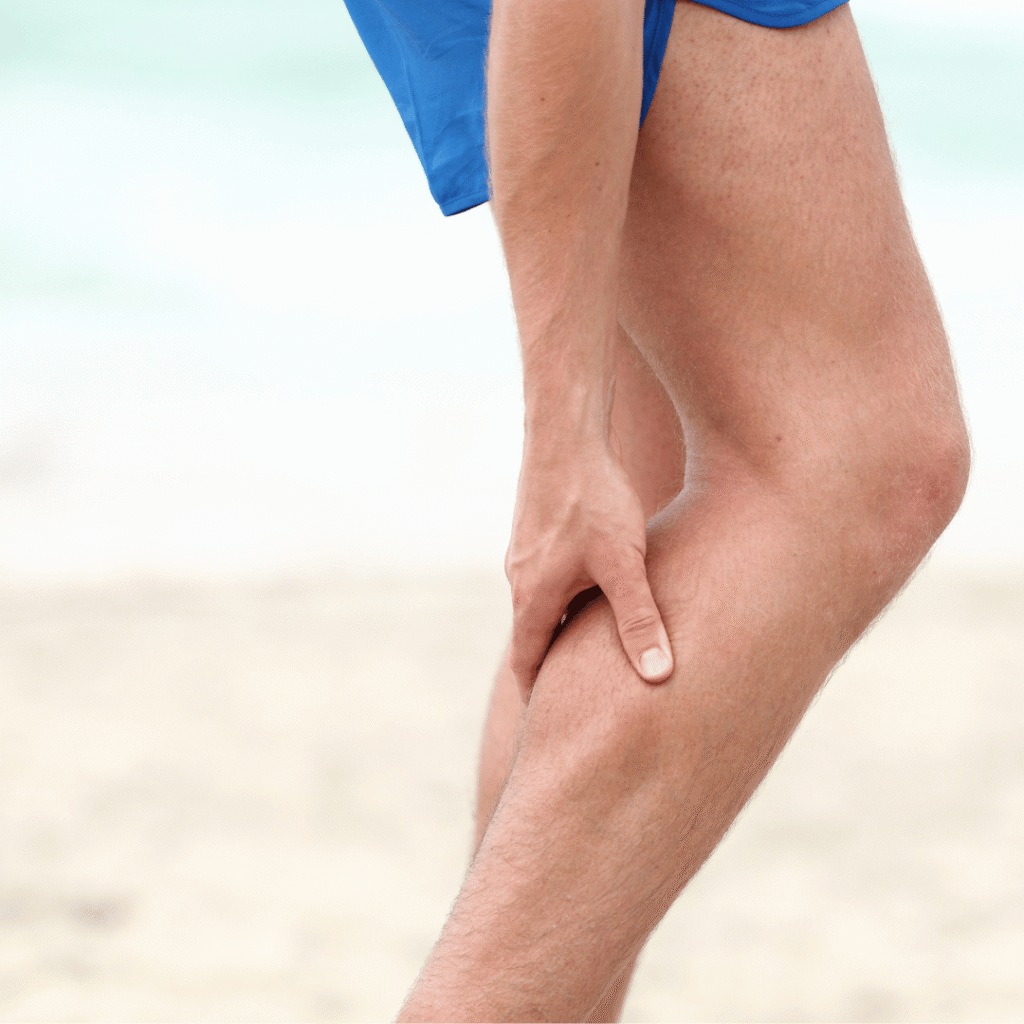
Common examples:
frequent in sprinting and football
common in jumping sports
occurs in running or explosive leg movements
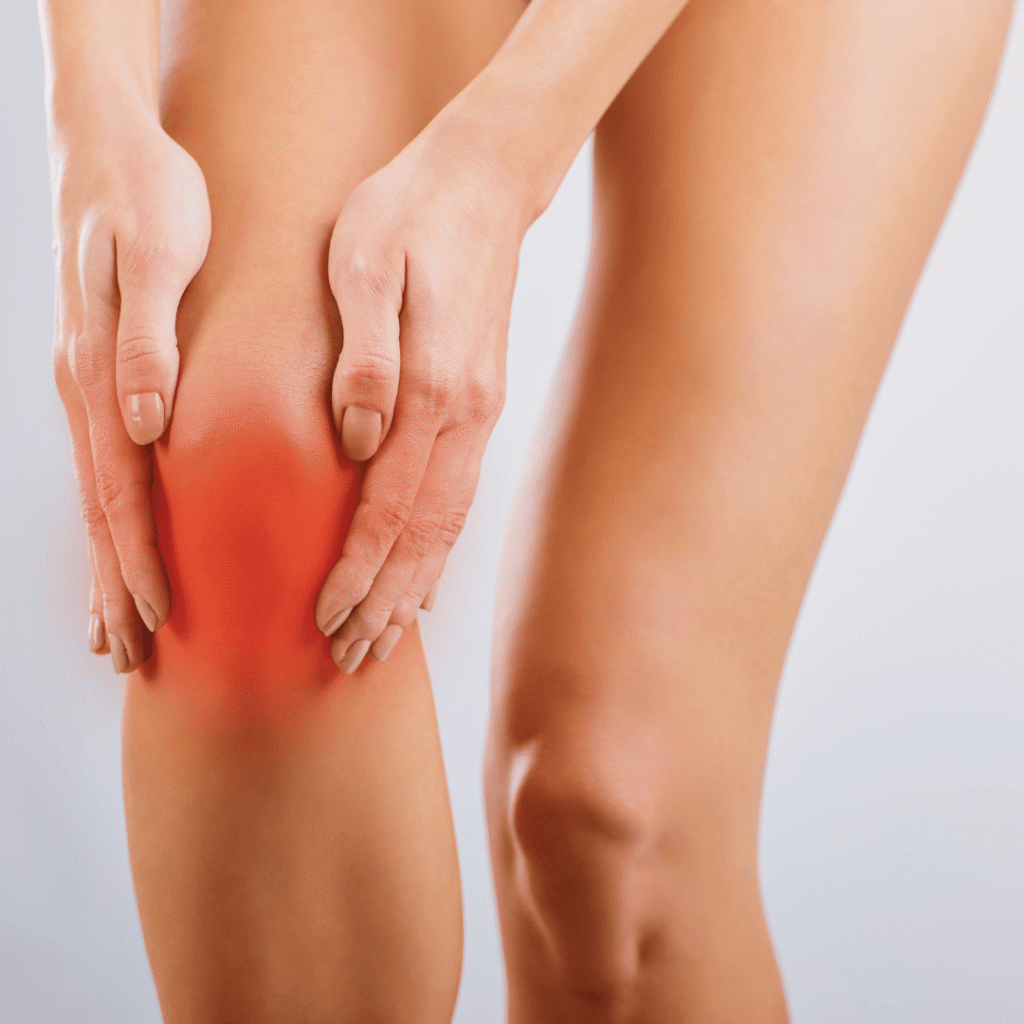
Ligament sprains involve stretching or tearing of ligaments, which stabilize joints. These injuries usually occur due to awkward landings, twisting movements, or collisions.
Common examples:
often seen in football, basketball, and skiing
caused by rolling or twisting the ankle during sudden directional changes
occurs in contact sports or falls

Tendon injuries result from repetitive stress or poor biomehhanics, leading to inflammation or degeneration of tendons.
Common examples:
common in runners and jumping athletes
seen in basketball and volleyball players
results from repetitive gripping or wrist extension
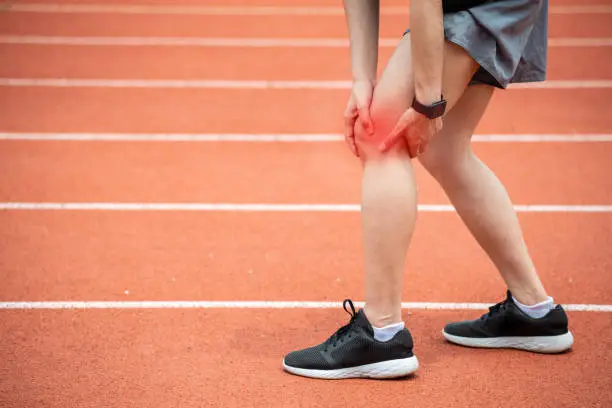
Overuse injuries develop gradualy due to repetitive loading without adequate recovery. These injuries are common in endurance athletes.
Common examples:
pain along the inner shin, common in runners
small cracks in bones due to continuous strain
pain around or behind the kneecap during running or climbing stairs
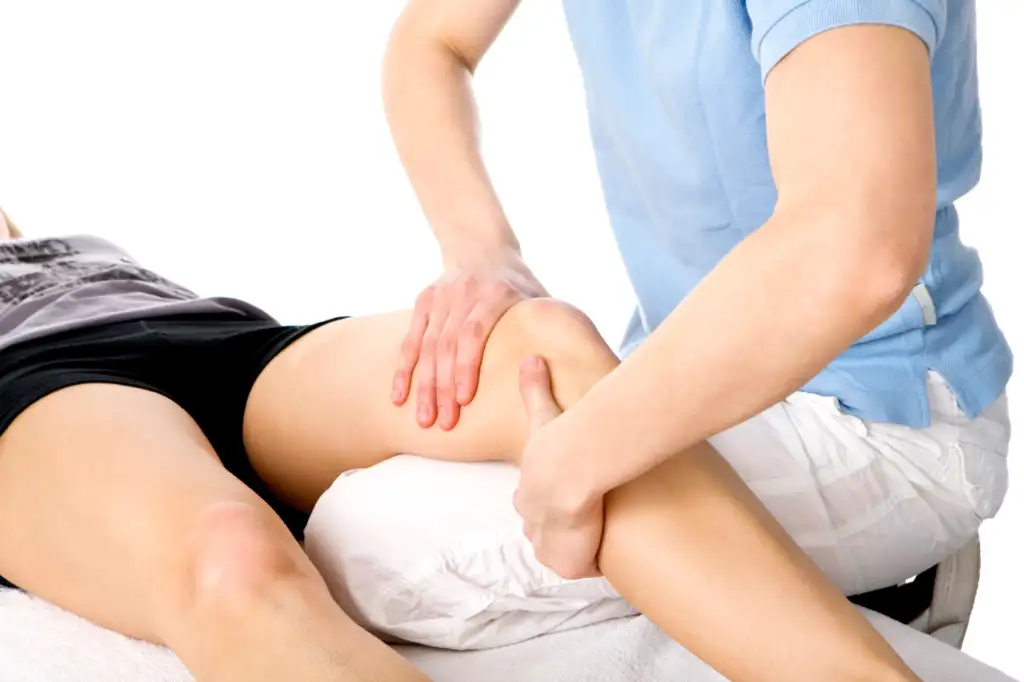
Joint injuries may involve dislocations, cartilage damage, or instaility and are often sport-specific.
Common examples:
common in contact sports or overhead activities
occur due to twisting injuries in the knee, especially in football or wrestling
due to repetitive overhead or rotational movements
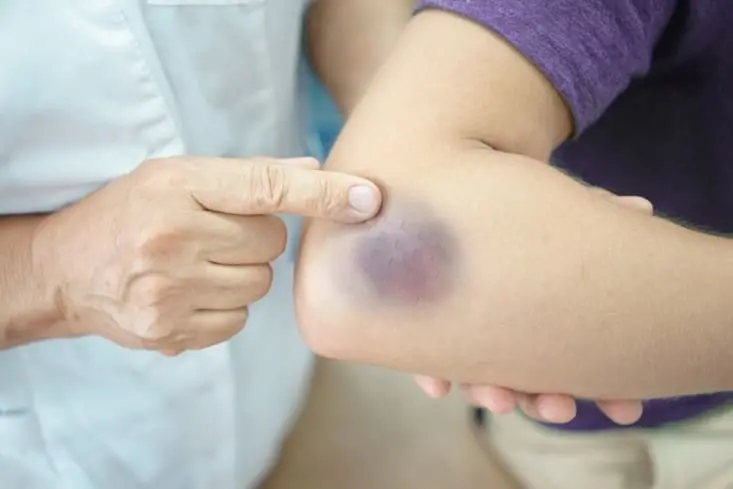
Fractures can occur from direct impact or falls. Contusions are deep bruises from blunt force trauma.
Common examples:
often due to falls in cycling, skating, or rugby
from bracing a fall during sports
common in contact sports like hockey or football
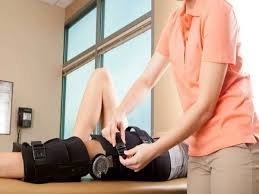
Athletes recovering from surgical interventions (e.g., ACL reconstruction, shoulder stabilization, meniscus repair) require guided rehabilitation to regain strength, function, and return-to-play safely. At DMPhysios, we follow evidence-based post-op protocols tailored to individual recovery timelines
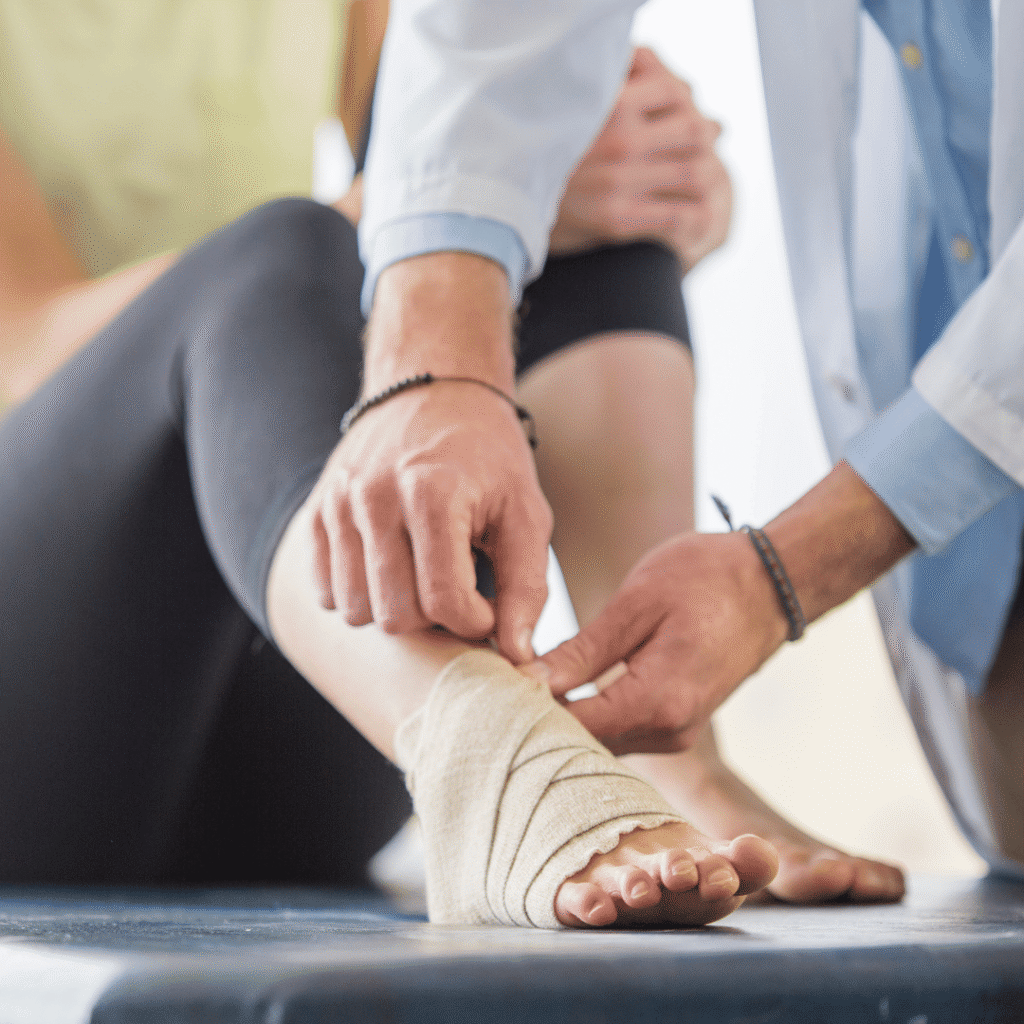
Growing athletes are prone to unique injuries due to growth plate sensitivity and high activity levels.
Common examples:
knee pain in adolescents from growth spurts and sports
heel pain in active children
repetitive stress injury in young gymnasts
Physiotherapy is not limited to injury recovery. It plays a vital role in preventing injuries before they occur. This is achieved through:
By integrating these elements into training routines, athletes can reduce the chances of injuries and perform with greater confidence and efficiency.
At DMPhysios, treatment of sports injuries follows a structured and personalized approach, aimed not just at healing the injured area but also at restoring full function and preventing future injuries. Each athlete or individual is assessed with careful attention to the demands of their specific sport or physical activity, ensuring the rehabilitation process supports their safe return to performance.
Every treatment begins with a detailed assessment. This includes understanding how the injury occurred, evaluating the severity of symptoms, and examining movement patterns. A physical examination is carried out to assess joint mobility, muscle strength, stability, and any compensatory movement. When necessary, diagnostic scans or collaboration with orthopedic specialists help clarify the nature of the injury. This evaluation forms the foundation of the rehabilitation plan.
In the early stages of injury, the primary goal is to reduce pain, inflammation, and protect the injured structure. This phase often involves rest from aggravating activities, application of ice or compression, and the use of braces or taping when needed. Depending on the case, therapeutic techniques such as soft tissue release, joint mobilization, or electrotherapy may be introduced to support tissue healing and reduce discomfort.
Patient education is also emphasized during this phase. Athletes are guided on how to manage symptoms at home and modify physical activity to avoid worsening the injury.
As pain and swelling settle, the focus shifts to restoring the normal range of motion and rebuilding muscle strength. Targeted exercises are introduced gradually to improve flexibility, joint control, and load tolerance. Muscles that may have weakened due to rest are carefully strengthened, while attention is also given to surrounding areas to restore balance and coordination across the body.
Manual therapy, resistance training, and mobility work are commonly used at this stage to regain control over the affected limb or joint.
After an injury, especially in the lower limbs or spine, the body’s ability to balance and stabilize itself may be affected. Training at DMPhysios includes exercises that focus on proprioception – your body’s awareness in space. Balance boards, stability tools, and specific drills are used to retrain the neuromuscular system. These exercises are critical in minimizing the risk of re-injury and ensuring proper control during dynamic movement.
Before returning to sport or high-level physical activity, the final stage of rehabilitation prepares the body to meet specific demands. Athletes work through drills that simulate movements from their sport—whether it’s running, jumping, pivoting, or throwing. This stage also involves endurance and agility work to ensure the body is ready for full performance.A structured return-to-sport plan is developed based on recovery benchmarks, functional testing, and individual goals. At DMPhysios, the process is monitored closely to ensure safe progression without setbacks.
At DMPhysios, the approach to sports physiotherapy is focused, personalized, and backed by clinical expertise. Here is how DMPhysios supports athletes through every stage of injury management:
The goal is not just to help athletes recover, but to ensure they return stronger, with reduced risk of recurrence and improved overall performance.
DMPhysios in Noida offers a modern and clinically advanced environment for athletes and active individuals. With a strong foundation in evidence-based practice and personalized care, DMPhysios provides:
Monday
9 am to 7 pm
Tuesday
9 am to 7 pm
Wednesday
9 am to 7 pm
Thursday
9 am to 7 pm
Friday
9 am to 7 pm
Saturday
9 am to 7 pm
Sunday
9 am to 7 pm