



A n ankle sprain is often dismissed as a minor injury—something that will heal with a few days of rest, ice, and painkillers. Yet for many people, ankle sprains become a frustrating cycle. Just when you think you’ve recovered, the ankle twists again while walking on an uneven surface, during a workout, or even while climbing stairs. Over time, this repeated injury doesn’t just affect your ankle—it changes how you move, impacts your confidence, and increases your risk of long-term joint problems.
So why do ankle sprains keep coming back? And more importantly, how can they be treated in a way that restores true, lasting stability?
At DM Physios, ankle sprains are not treated as isolated injuries. They are approached as complex movement problems that require a deeper understanding of biomechanics, neuromuscular control, and functional rehabilitation. This blog explores why frequent ankle sprains never really heal and how a physiotherapy-led approach at DM Physios helps patients regain genuine stability and confidence.
An ankle sprain occurs when the ligaments supporting the ankle are overstretched or torn, most commonly on the outer (lateral) side of the ankle. While the initial injury may heal on the surface, many people are left with hidden deficits that set the stage for repeated sprains.
Ligaments have a relatively poor blood supply compared to muscles. This means they heal slowly and often with scar tissue rather than strong, elastic fibers. If rehabilitation is rushed or skipped, the ligament may heal in a lengthened or weakened state, compromising joint stability.
One of the most overlooked consequences of an ankle sprain is damage to proprioception—the body’s ability to sense joint position and movement. When ligament receptors are injured, the brain receives less accurate feedback from the ankle. This delayed response increases the risk of the ankle “giving way” during daily activities.
After an ankle injury, surrounding muscles—especially the peroneals, calf muscles, and intrinsic foot muscles—often weaken due to pain and reduced use. Without targeted strengthening, these muscles fail to provide dynamic support to the ankle.
To avoid pain, the body subconsciously changes how it moves. You may shift weight to the other leg, change your walking pattern, or reduce ankle motion. Over time, these compensations overload other joints like the knee, hip, and lower back, increasing injury risk elsewhere.
Pain reduction does not equal full recovery. Many people return to sports or workouts as soon as swelling and pain reduce, without restoring strength, balance, and control. This premature return is one of the biggest reasons ankle sprains recur.
If you’ve had one or more ankle sprains in the past, it’s important to recognize the warning signs of incomplete healing. Ignoring these signs can lead to chronic ankle instability.
These symptoms indicate that while the pain may have reduced, the underlying stability mechanisms have not been fully restored.
Rest, ice, compression, elevation (RICE), and anti-inflammatory medications are often the first line of treatment for ankle sprains. While they are useful in the acute phase, they are not designed to address the root causes of recurrent sprains.
Rest allows inflammation to settle, but it does not retrain muscles, ligaments, or the nervous system. Without active rehabilitation, the ankle remains vulnerable.
Painkillers and anti-inflammatory drugs can make you feel better temporarily, but they do not improve strength, balance, or joint control. In fact, masking pain may encourage early return to activity, increasing re-injury risk.
Extended use of ankle braces or bandages without guided movement can lead to joint stiffness and muscle atrophy. This further delays functional recovery.
Rest-based approaches do not assess why the injury happened in the first place — whether due to poor foot mechanics, weak hips, or faulty movement patterns.
True healing requires active intervention, not just symptom relief.
At DM Physios, ankle sprains are treated with a comprehensive, evidence-based approach that focuses on restoring function, not just reducing pain.
Treatment begins with an in-depth assessment of:
This allows the physiotherapist to identify the root causes contributing to repeated sprains.
Manual therapy helps prepare the ankle for active rehabilitation.
One of the core pillars of DM Physios’ ankle rehab is neuromuscular training. Exercises include:
These retrain the brain–ankle connection, reducing the risk of sudden ankle collapse.
Rather than generic exercises, DM Physios designs individualized programs focusing on:
This creates a strong kinetic chain that supports the ankle during real-life movements.
Rehabilitation progresses to functional tasks such as:
This ensures the ankle is ready for real-world demands before returning to full activity.
Patients are educated about:
This empowers patients to take control of their recovery.
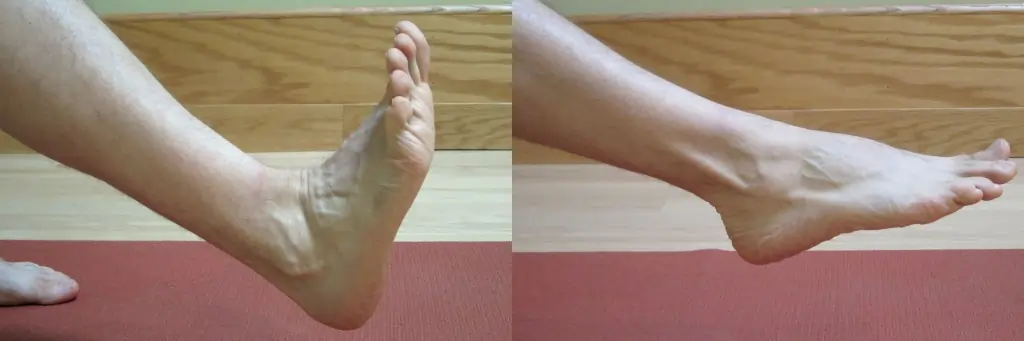
Choosing a physiotherapy-led approach for ankle sprains offers benefits that go far beyond short-term pain relief.
By addressing strength, balance, and movement control, physiotherapy significantly lowers the chances of future sprains.
Patients regain trust in their ankle, allowing them to move freely without fear—whether in daily life or sports.
Correcting ankle mechanics improves alignment and function of the knee, hip, and spine, reducing the risk of secondary injuries.
Early and proper rehabilitation prevents long-term issues such as chronic pain, swelling, and joint degeneration.
Restoring proper movement patterns helps protect the ankle from early osteoarthritis and degenerative changes.
Frequent ankle sprains don’t keep coming back because you’re unlucky—they recur because the ankle was never fully rehabilitated in the first place. Pain relief alone is not healing. True recovery requires restoring strength, balance, proprioception, and movement control.
At DM Physios, ankle sprains are treated with a clear goal: not just healing the injury, but restoring true stability. Through detailed assessment, hands-on care, and progressive rehabilitation, patients move beyond the cycle of repeated sprains and return to confident, pain-free movement.
If you’ve experienced multiple ankle sprains or feel your ankle has never fully recovered, it may be time to look beyond rest and medication—and invest in physiotherapy-led care that addresses the root cause.