
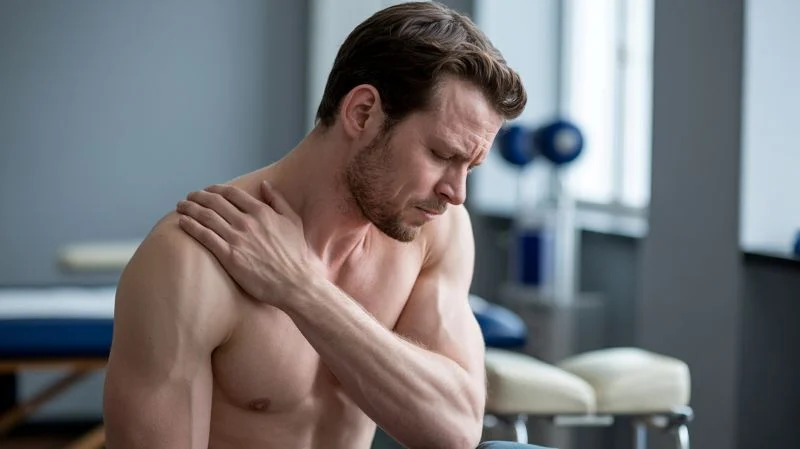

Upper trapezius tightness is one of the most common complaints seen in modern clinical practice. From desk workers and students to athletes and healthcare professionals, nearly everyone has experienced that familiar stiffness or nagging ache around the neck and shoulders. What often starts as mild discomfort can gradually evolve into chronic pain, restricted mobility, headaches, and even postural dysfunction.
If you’ve ever caught yourself rubbing your shoulders after a long day or noticed a persistent heaviness in your neck, this blog is for you. In this comprehensive, evidence-based guide by DMPhysios, we will explore why upper trap tightness occurs, how it affects your body, and most importantly, how you can break free from it.
The trapezius is a large, superficial muscle that spans from the base of your skull to your mid-back and extends across your shoulders. It is divided into three parts:
The upper trapezius specifically originates from the occipital bone and cervical spine and inserts into the clavicle and scapula. Its primary functions include:
While it plays a vital role in movement and posture, it is also highly prone to overuse and dysfunction.
Upper trap tightness is rarely an isolated problem. It is usually a symptom of underlying imbalances, habits, or stressors. Let’s break down the most common causes.
Forward head posture and rounded shoulders are major contributors. When your head shifts forward, the upper trapezius works overtime to support its weight. Over time, this leads to fatigue, tightness, and pain.
Prolonged sitting, especially with poor ergonomics, leads to sustained contraction of the upper traps. This is common among:
The upper trapezius is highly responsive to stress. Emotional tension often manifests physically as shoulder elevation and muscle guarding.
Weakness in the lower trapezius and serratus anterior forces the upper traps to compensate. This creates a pattern known as “upper crossed syndrome.”
Over-recruitment of upper traps during workouts, especially in exercises like shoulder presses or shrugs, can lead to chronic tightness.
Upper trap tightness can present in several ways:
If left untreated, it can contribute to cervical dysfunction and even nerve-related symptoms.
From a physiological perspective, muscle tightness is not just about “shortened muscles.” It often involves:
Research shows that chronic low-level contraction, especially in postural muscles like the upper trapezius, leads to fatigue and pain. This is why simply stretching is not enough. A combination of approaches is required.
At DMPhysios, we emphasize a multidimensional treatment approach that addresses both the cause and the symptoms.
Before jumping into treatment, proper assessment is essential. A physiotherapist typically evaluates:
Identifying the root cause ensures that treatment is targeted and effective.
Correcting posture is the foundation of long-term relief.
Key tips:
Even small adjustments can significantly reduce strain on the upper trapezius.
Stretching helps reduce muscle tone and improve flexibility.
Upper Trap Stretch:
Repeat 2–3 times on each side.
However, remember that stretching alone is not enough. It must be combined with strengthening.
One of the biggest mistakes people make is ignoring weak muscles.
Focus on strengthening:
Effective exercises:
These exercises help redistribute workload away from the upper traps.
MFR is highly effective in reducing trigger points and muscle tightness.
Techniques include:
At DMPhysios, techniques like MFR and IASTM are commonly used to release tight fascia and restore normal muscle function.
Your daily environment plays a huge role in muscle health.
Workstation tips:
Take breaks every 30–45 minutes to reset your posture.
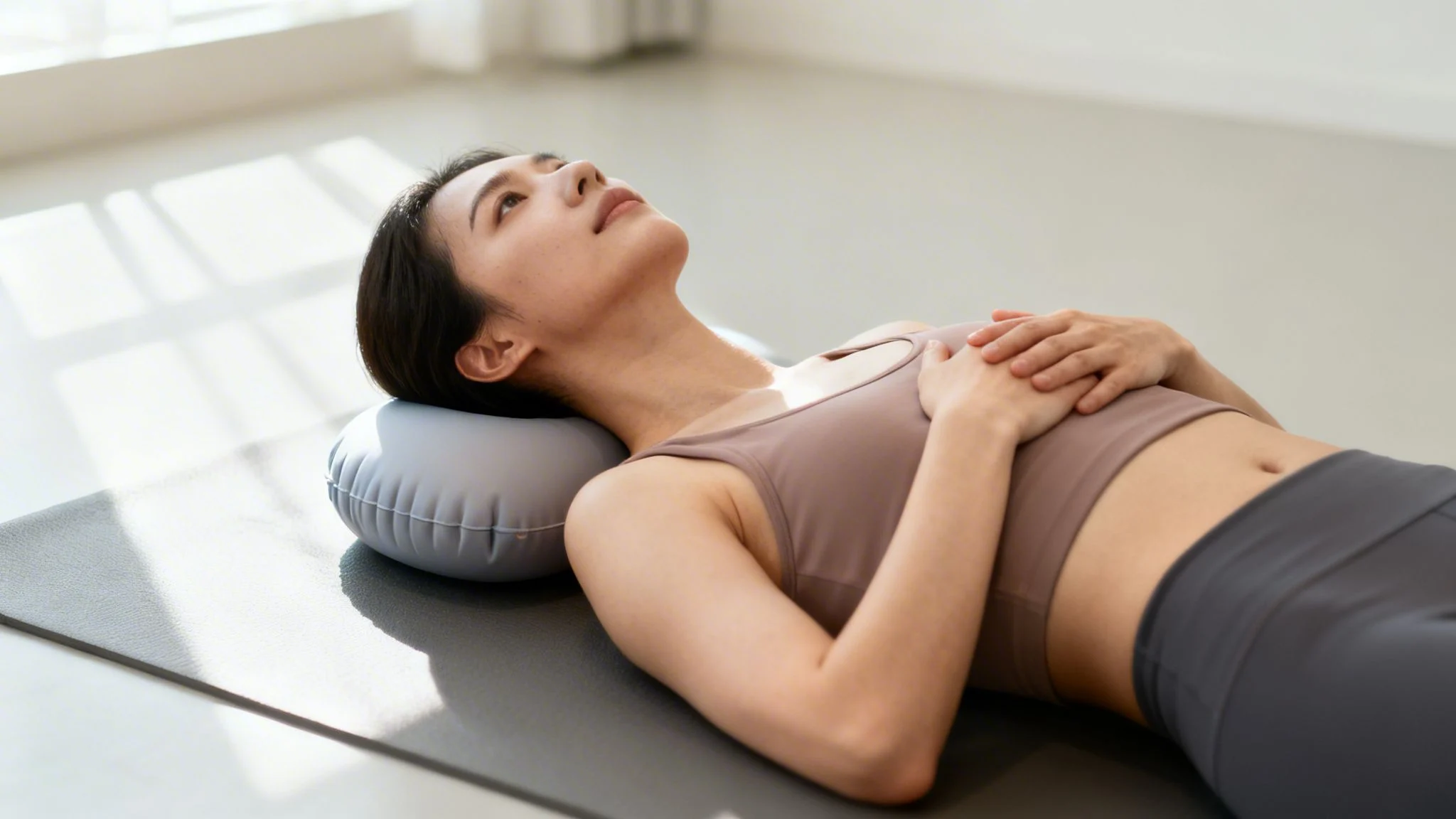
Poor breathing patterns often contribute to upper trap overactivity.
Practice:
This reduces unnecessary muscle tension and promotes recovery.
Avoid movements that excessively recruit the upper traps.
For example:
While self-care strategies are helpful, professional guidance ensures optimal results.
At DMPhysios, physiotherapy interventions include:
The goal is not just symptom relief but long-term correction and prevention.
Once you’ve achieved relief, maintaining it is crucial.
Prevention strategies:
Consistency is key. Even 10–15 minutes of daily exercise can make a significant difference.
You should consult a physiotherapist if:
Early intervention can prevent chronic issues.
Upper trap tightness is not just a physical issue. It reflects modern lifestyle challenges:
Addressing it requires a holistic approach that considers both body and mind.
At DMPhysios, we believe in empowering individuals with knowledge and tools to take control of their health.
Breaking free from upper trap tightness is absolutely possible, but it requires awareness, consistency, and the right approach. Instead of relying on temporary fixes, focus on long-term solutions that address the root cause.
Remember:
Your body adapts to what you do repeatedly. Make sure you’re reinforcing patterns that support health, not pain.
With the right guidance and commitment, you can move freely, live comfortably, and leave upper trap tightness behind for good.