
Spine pain is the common health issue that affects millions of people worldwide, impacting daily activities and overall quality of life. Pain in the spine can occur in the cervical (neck), thoracic (mid-back), or lumbar (lower back) regions and may range from mild discomfort to severe, debilitating pain.
Maintaining a healthy lifestyle, practicing good posture, and engaging in regular exercise can help prevent spine-related issues and promote overall spinal health.
Spine pain, commonly referred to as “back pain,” is discomfort experienced anywhere along the spine—from the neck (cervical), through the upper and mid–back (thoracic), down to the lower back or pelvis (lumbar). It’s one of the most common health complaints globally, affecting up to 40% of people at any point and responsible for significant disability and lost productivity.
While most episodes of back pain are nonspecific or mechanical in nature and often resolve with conservative care, it can also signal more serious issues such as infections, fractures, inflammatory diseases, or tumors.
Spine pain can be classified based on location, duration, and underlying cause:
By Location:
By Duration:
By Underlying Cause:
Monday
9 am to 7 pm
Tuesday
9 am to 7 pm
Wednesday
9 am to 7 pm
Thursday
9 am to 7 pm
Friday
9 am to 7 pm
Saturday
9 am to 7 pm
Sunday
9 am to 7 pm
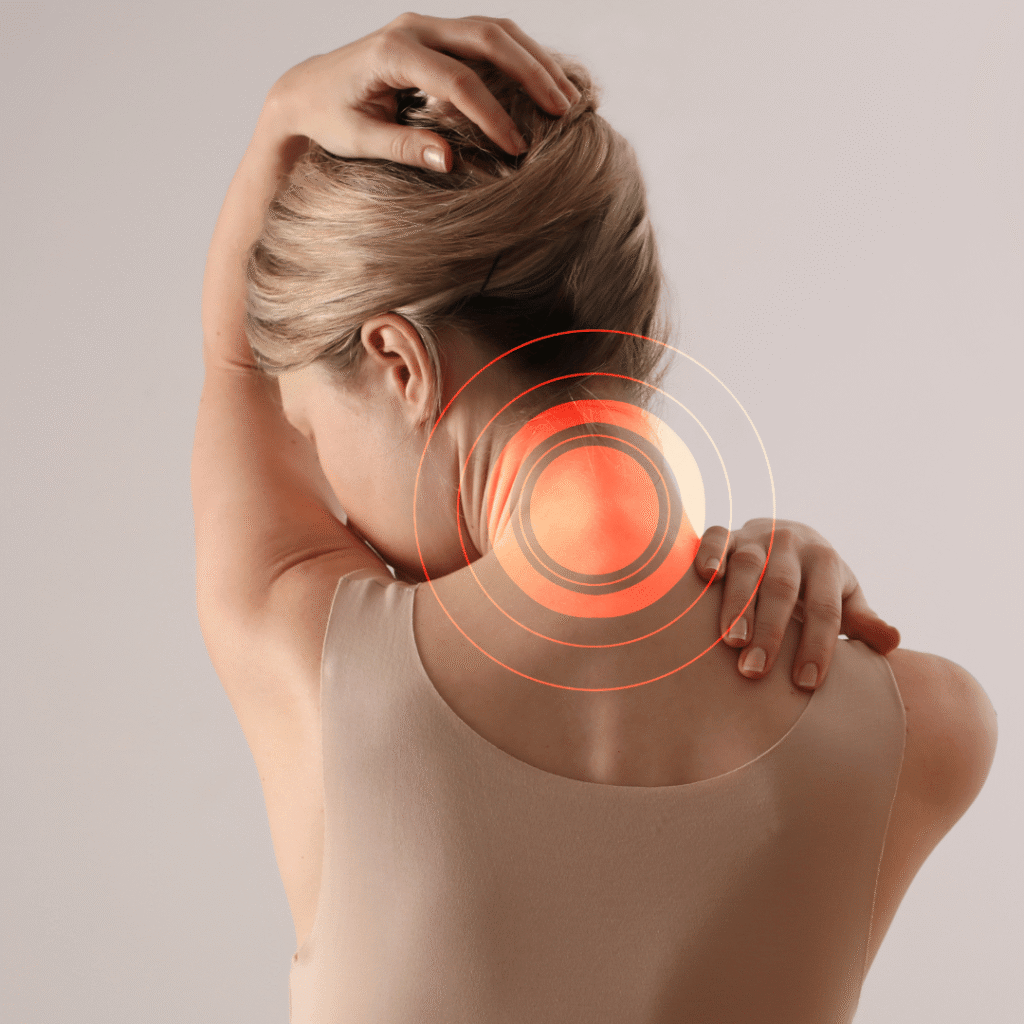
Neck pain is the pain that is present in or around your spine beneath your head. It can result from physical changes related to strain, injury , aging, poor posture while using smartphones or computers , or it may be related to stress .It can radiate to the shoulder region, the thoracic spine, into the head, even to the forehead, and nerve pain can cause severe pain down one arm, even into the fingers.
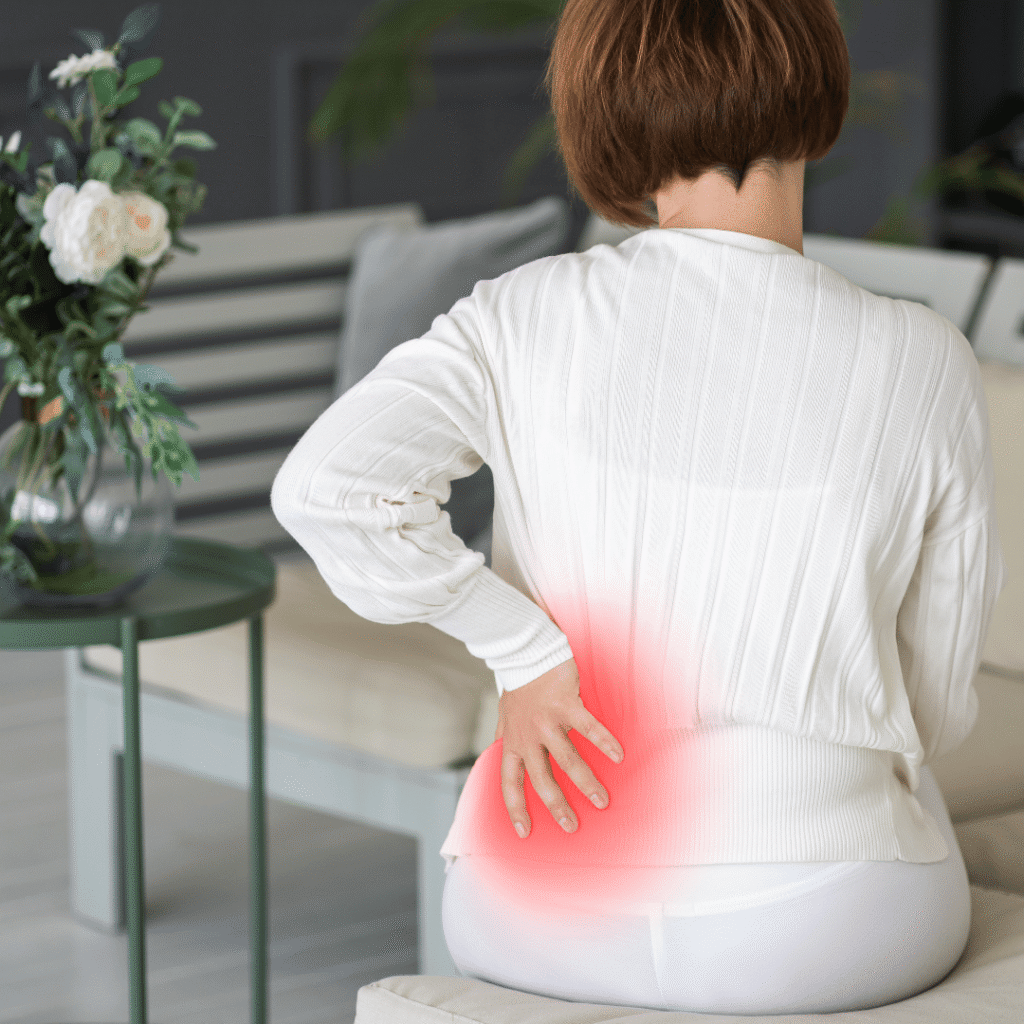
It is the pain that is present in lowest region of the spine or back. Most often, the cause is an injury to muscles or tendons in the back due to lifting heavy weight , weight lifting in gym , road traffic accident, sprains and strains , fracture of spine, discal issues, spine arthritis , potts spine , tumor of spine , canal stenosis etc.
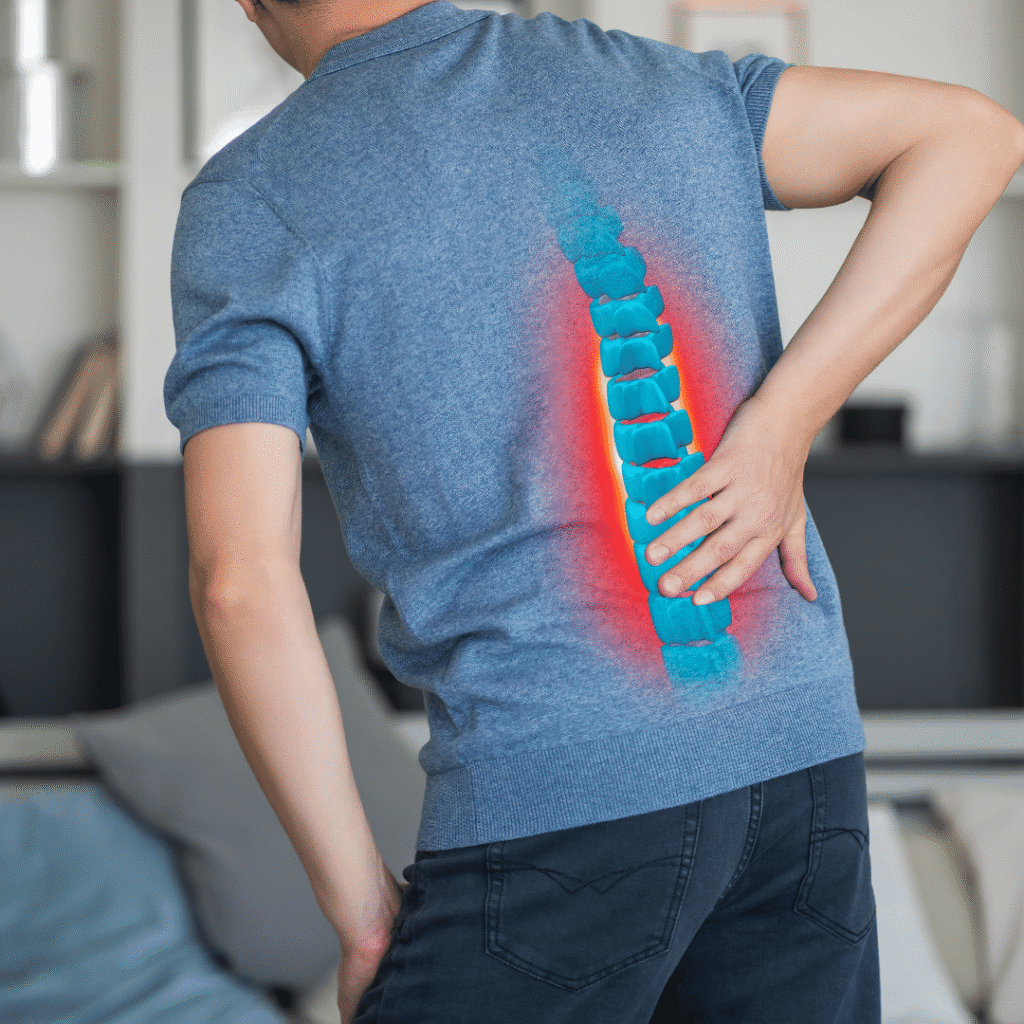
Bulging discs, also known as herniated, ruptured, or protruding discs, are usually due to age-related degeneration, spinal injury or having a sedentary lifestyles with limited physical activity. In this the pain radiates to different areas of the body such as the arms or rib cage in case of cervical disc buldge and in legs or gives sciatica pain in case of lumbar disc bulges .
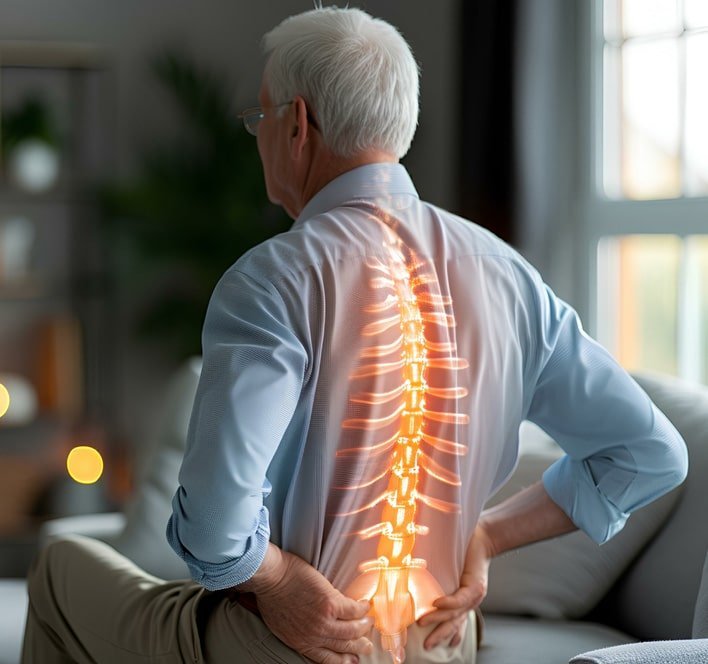
Spondylitis is the arthritis or inflammation of the spine. Ankylosing spondylitis (AS) is the most common spondylitis of spine . In this, the spinal vertebrae tend to fuse together and causes pain, stiffness and limited movement in the spine. Morning stiffness, heel pain or the eye infection are the classic symptoms of AS.
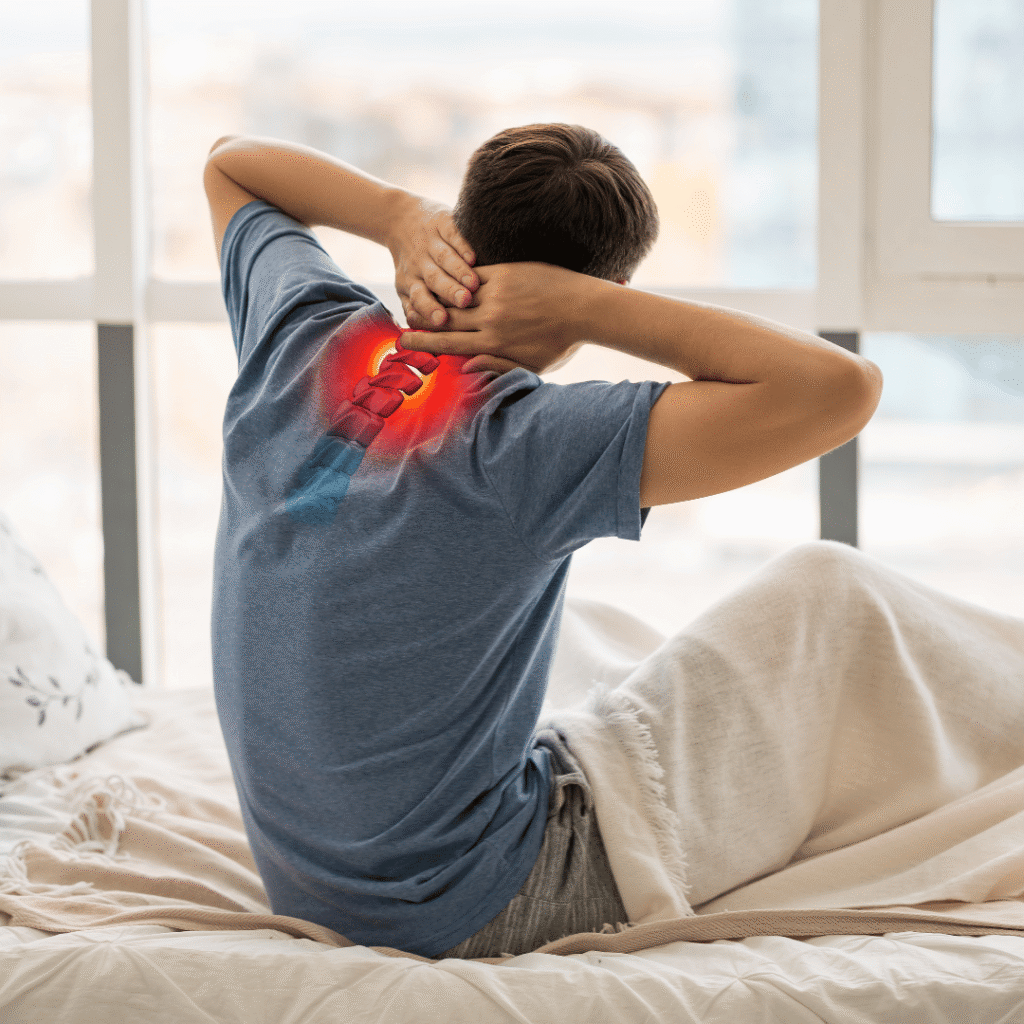
Spondylosis or osteoarthritis of the spine is an age related condition. It occurs due to wear and tear of the structures of the spine. It may lead to neck pain, back pain, arm pain, leg pain, stiffness, and signs of nerve compression according to the level of spine is affected.
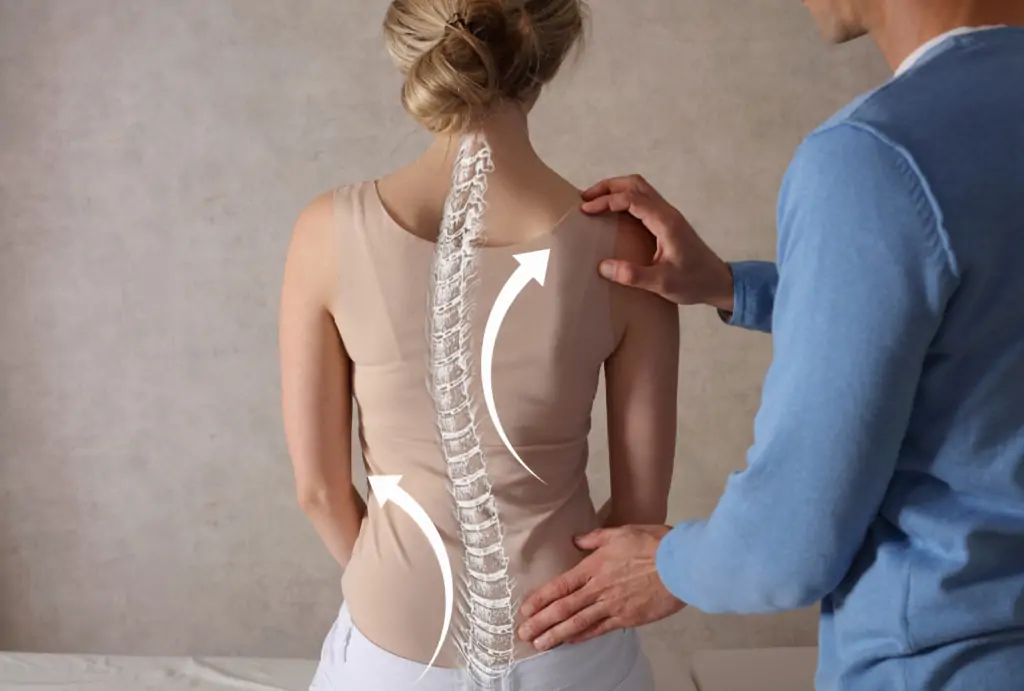
Scoliosis is an abnormal curving of the spine. The spine might look like the letter C or S. Mostly, the cause of scoliosis is unknown and called idiopathic scoliosis.
In this, noticeable changes are seen in posture like uneven shoulders , one shoulder blade is more prominent than other, one hip appear higher than the other etc. It may be present from birth and called congenital scoliosis.
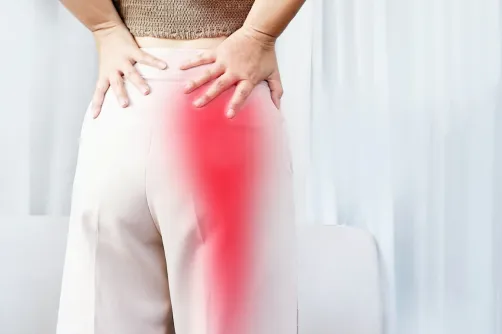
Piriformis syndrome occurs when the piriformis muscle that is present in the buttock compresses the sciatic nerve. It can cause buttock pain, numbness in the buttocks or radiating pain in the legs which will increase during prolonged sitting, walking, running etc. It may give false sciatica like symptoms.
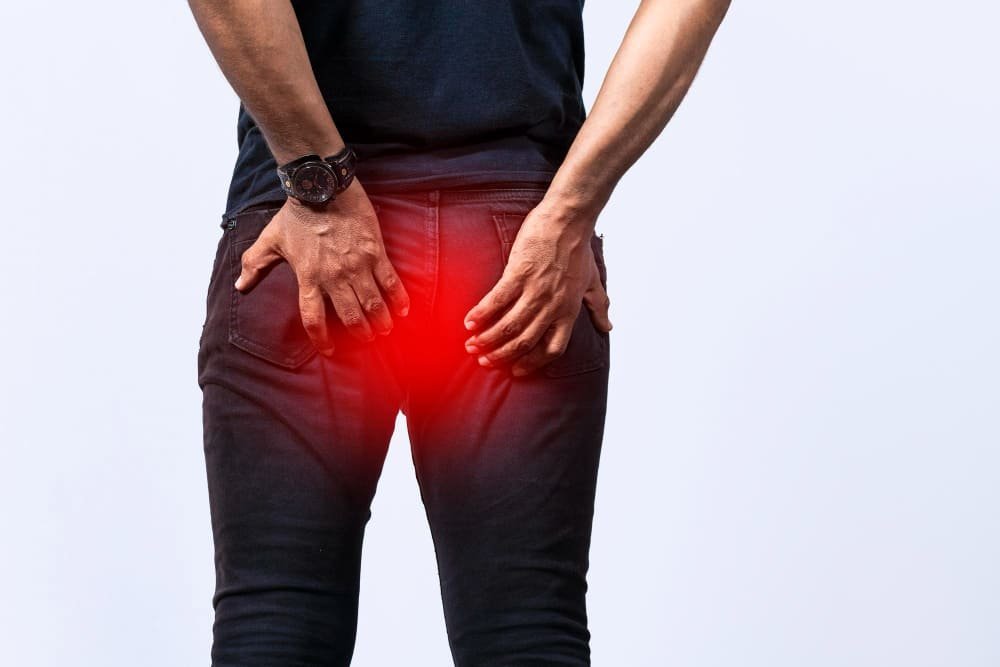
Tailbone pain or coccydynia is present in or around the coccyx. It occurs due to prolonged sitting on a hard or narrow surface, injury during fall, degenerative changes etc. It can be caused by injury to the coccyx during a fall.
It can lead to sharp shooting or dull achy pain while sitting or during transitions from sitting to standing, or during passing the stool
Symptoms depend on the type and cause, ranging from mild to severe:
Spine pain is a widespread issue with diverse causes—mechanical, degenerative, inflammatory, traumatic, and occasionally serious. Most types are treatable with conservative care focused on exercise, posture, lifestyle, and education.
Monday
9 am to 7 pm
Tuesday
9 am to 7 pm
Wednesday
9 am to 7 pm
Thursday
9 am to 7 pm
Friday
9 am to 7 pm
Saturday
9 am to 7 pm
Sunday
9 am to 7 pm