
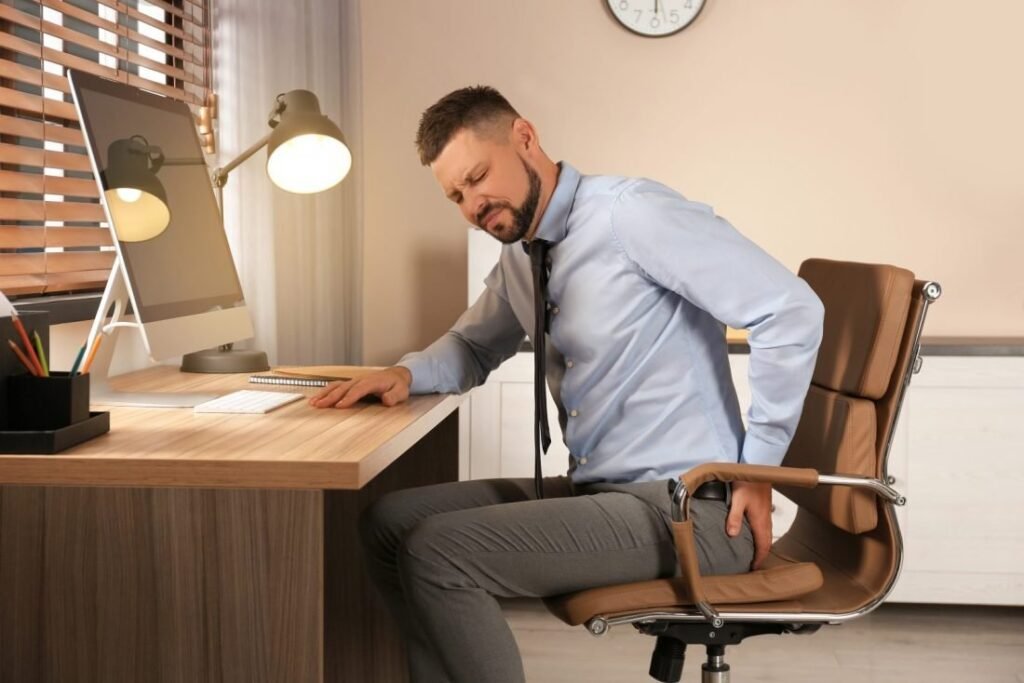
M any people, especially men, have the habit of slipping their wallet into their back pocket and sitting down without a second thought. While it may seem harmless and convenient, this everyday habit can actually lead to serious problems with your posture, spinal alignment, and overall health. Carrying a wallet in the back pocket can sometimes cause a condition called Fat Wallet Syndrome, which happens due to pressure on the sciatic nerve.
This condition is well-known among men and is sometimes called Hip Pocket Syndrome, Wallet Sciatica, Fat Wallet Syndrome, or even Credit Carditis.Fat Wallet Syndrome occurs when a bulky wallet placed in the back pocket compresses the sciatic nerve near the piriformis muscle. This compression can cause pain and symptoms similar to sciatica that comes from the lower back. Additionally, carrying a thick wallet can affect the posture of the pelvis and lower spine, putting uneven pressure on pelvic muscles, spinal discs, and nerves.
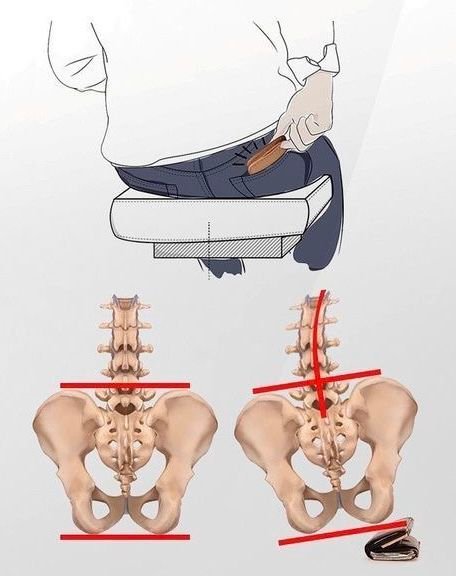
Every time you sit on a bulky wallet, your pelvis tilts unevenly. This tilt puts pressure on the sciatic nerve beneath the piriformis muscle, which is located deep in your buttock. Over time, this constant pressure irritates the nerve and surrounding muscles, leading to pain and other symptoms. What starts as mild discomfort can quickly become chronic if the habit continues.
Our body is designed to sit evenly on a flat surface. When we place a wallet in our back pocket and sit on it—even if the wallet is thin—it causes our pelvis to tilt slightly. This small imbalance creates an uneven base for your spine, which can lead to a range of problems over time.
It can take as little as 20 minutes of sitting on a wallet for these effects to begin. When this habit is repeated regularly, the strain and damage build up, potentially leading to chronic pain and postural issues.
Ignoring Fat Wallet Syndrome can lead to ongoing nerve irritation, worsening posture, and muscle imbalances. It might even affect how you walk or stand, potentially causing pain in other parts of your body such as your hips, knees, or neck. Plus, chronic pain can impact your mood, sleep, and daily activities.
1. Switch pockets: Move the wallet to the front pocket or carry it in a bag.
2. Slim down your wallet: Remove unnecessary cards and receipts to keep it thin.
3. Use a minimalist wallet: Opt for a smaller, sleeker wallet designed to reduce bulk.
4. Take breaks: Try to stretch every 30 min of sitting
5. Pay attention to posture: Sit with both feet flat on the floor and avoid leaning to one side.
6. Go Digital:
7. Build a Habit:
These small behavioral changes can prevent long-term damage of Fat Wallet Syndrome and significantly improve the comfort.