
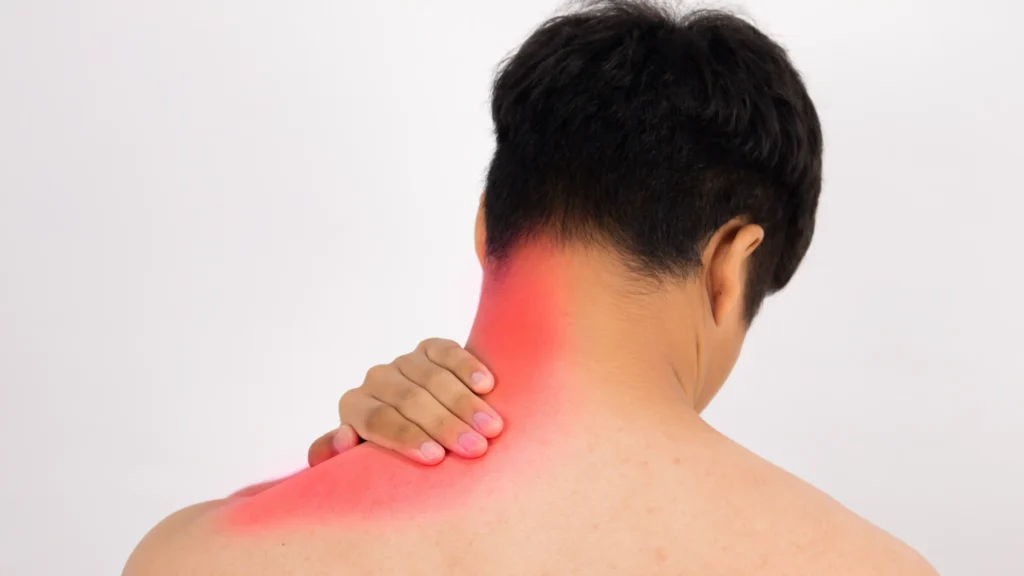

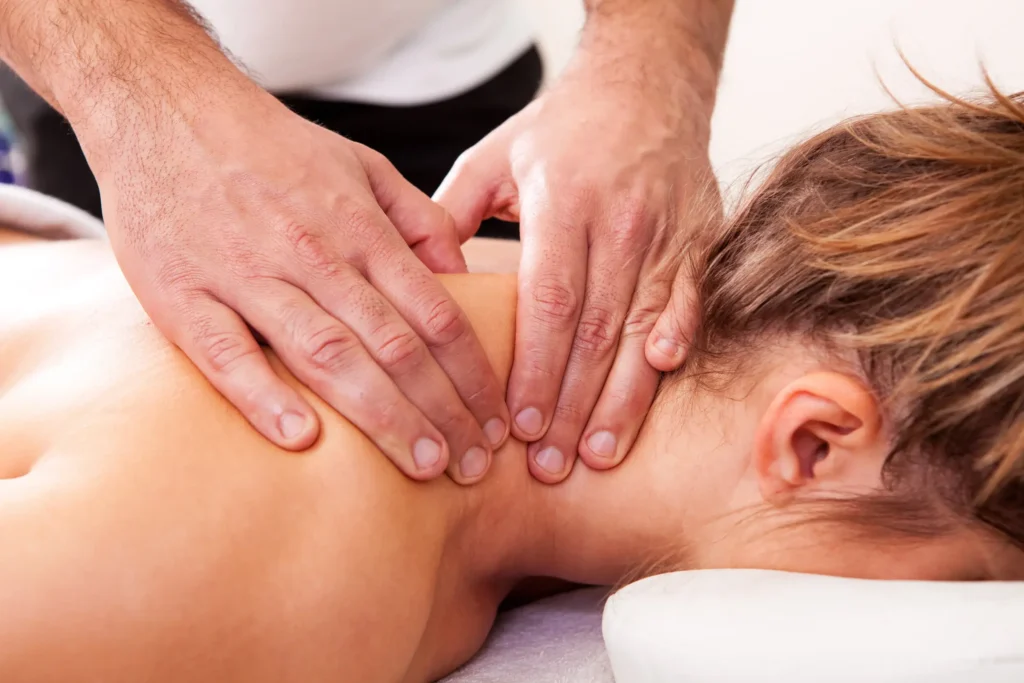
Shoulder pain and dysfunction are among the most common musculoskeletal complaints worldwide. Despite being a relatively small joint compared to the hip or knee, the shoulder plays a pivotal role in nearly every movement we perform daily—from lifting objects and reaching overhead to sports performance and maintaining posture. Unfortunately, shoulder discomfort often begins subtly and progresses, affecting mobility, strength, and quality of life.
One of the most effective approaches to preventing and managing shoulder issues is scapular strengthening, combined with tailored physiotherapy. In this blog, we will explore why scapular health matters, how it influences shoulder function, the unique benefits of scapular strengthening, and how physiotherapy can transform shoulder health.
The shoulder is a highly mobile joint, designed for a wide range of movements. It comprises three main bones—the humerus, scapula (shoulder blade), and clavicle (collarbone)—and several supporting muscles, tendons, and ligaments. The interaction between these structures allows us to lift, rotate, and move our arms in virtually any direction.
A critical component of shoulder mechanics is the scapula. Often overlooked, the scapula serves as a stable base for shoulder movement. Without proper scapular function, even strong arm muscles cannot perform efficiently. Dysfunction in scapular movement is linked to common shoulder problems such as:
Scapular strengthening focuses on improving the muscles that control the shoulder blade, including the trapezius, rhomboids, serratus anterior, and levator scapulae. These muscles stabilize the scapula during arm movements, ensuring proper alignment and reducing stress on the shoulder joint itself.
When the scapula moves incorrectly—called scapular dyskinesis—it can lead to pain, weakness, and even injury over time. Strengthening these muscles improves posture, enhances shoulder stability, and allows for smoother, pain-free motion.
Many individuals struggle with chronic shoulder pain because traditional treatments focus only on the shoulder joint, ignoring the scapula. Common interventions like painkillers, anti-inflammatory medications, and rest may provide temporary relief but do not address the underlying muscular imbalances.
Targeted scapular strengthening addresses these root causes by restoring balance, improving coordination, and enhancing movement efficiency.
Scapular strengthening is not just another exercise trend; it offers measurable, long-term benefits for shoulder health. Some of the most significant advantages include:
The scapula acts as a platform for the arm to move. Strengthening the muscles that control it ensures that your shoulder blade moves correctly during lifting, pushing, or overhead activities. This stability reduces strain on the rotator cuff, shoulder capsule, and tendons, preventing common injuries.
Weak scapular muscles often lead to rounded shoulders and a forward head posture, which contributes to neck, upper back, and shoulder pain. Strengthening the scapular stabilizers corrects these postural deviations, allowing for better alignment and reducing chronic strain.
Proper scapular movement ensures that the humerus (upper arm bone) moves optimally in the shoulder socket. This enhances range of motion while reducing the risk of impingement and stiffness.
Athletes, office workers, and older adults are all at risk for shoulder injuries due to improper scapular mechanics. Regular scapular exercises strengthen the supporting muscles, reducing the likelihood of rotator cuff tears, tendonitis, and shoulder impingement.
From swimming and tennis to weightlifting and throwing sports, scapular strength is crucial for powerful, coordinated arm movements . Athletes with strong scapular stabilizers exhibit improved throwing velocity, stroke efficiency, and overall performance while minimizing injury risk.
Consistency is key. Performing these exercises 3–4 times per week can yield noticeable improvements in strength, posture, and shoulder function within a few weeks.
While exercises are important, physiotherapy offers a holistic approach to shoulder rehabilitation and prevention. Skilled physiotherapists assess individual posture, movement patterns, muscle strength, and joint mobility, creating personalized programs to target specific issues.
Rotator cuff tears or tendinopathy often result from overuse or imbalance in scapular muscles. Strengthening these stabilizers offloads the cuff, promoting healing and reducing recurrence.
Improper scapular mechanics can cause the tendons of the rotator cuff to rub against the acromion, leading to pain. Corrective exercises improve scapular upward rotation, reducing impingement.
Although this condition involves stiffness in the joint capsule, scapular strengthening improves overall shoulder motion and accelerates recovery.
After shoulder surgery, patients often experience weakness and restricted movement. Targeted scapular exercises restore strength, alignment, and functional range of motion.
Weak scapular stabilizers contribute to rounded shoulders and forward head posture, exacerbating neck and thoracic discomfort. Strengthening these muscles relieves tension and improves posture.
Even after recovering from pain or injury, maintaining shoulder health is an ongoing process. Preventive strategies include:
By adopting these practices, you can reduce the risk of shoulder pain and preserve function well into later life.
The shoulder is a marvel of mobility, but it is also vulnerable to pain and dysfunction. The key to lasting shoulder health lies not just in treating symptoms but in addressing muscle imbalances and movement patterns, particularly through scapular strengthening.
Physiotherapy enhances these benefits by providing personalized assessment, manual therapy, targeted exercises, and education to ensure sustainable results. Whether you are an athlete, office worker, or someone recovering from injury, investing in scapular health transforms shoulder function, reduces pain, improves posture, and enhances overall quality of life.
Remember, healthy shoulders start with a stable, strong scapula. Prioritize your shoulder health today, and your future self will thank you.