

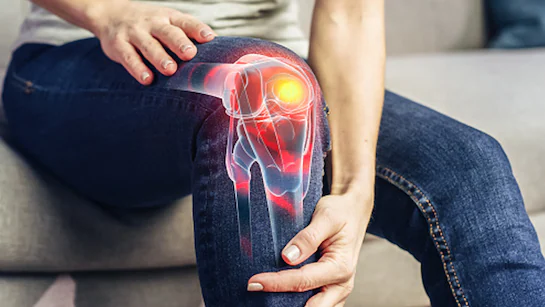

M ost people wait for winter with excitement. Cozy blankets. Warm drinks. Soft sweaters. But if you’re someone who struggles with joint pain, back pain, arthritis, muscle tension, or old injuries, winter may feel like the season your body starts complaining louder than ever.
“Why does everything hurt more in winter, and is it just in my head?”
No, it’s not in your head. There are very real biological, environmental, and lifestyle factors behind winter pain.
And even better news:
Physiotherapy has powerful, science-backed strategies to reduce winter pain, keep joints mobile, and help you stay active without discomfort.
Let’s dive deeper.
Winter changes how the body works, from blood flow to hormone balance to how stiff tissues become. Several mechanisms often happen at once.
Muscles, tendons, and ligaments behave differently depending on temperature.
Cold temperatures cause:
Think of your muscles like rubber bands. Warm rubber stretches easily. Cold rubber becomes stiff and easier to snap.
That’s why many people feel:
When tissues lose flexibility, they pull on joints, increasing joint discomfort too.
Many people with arthritis swear they “feel the weather” in their bones.
They’re not wrong.
When barometric pressure drops before cold or rainy weather, pressure on joints slightly decreases. Swollen or inflamed joint tissues then expand, increasing pressure on surrounding nerves.
Result?
This is especially noticeable in:
Cold makes blood vessels constrict (narrow) to preserve warmth for vital organs.
Great for survival. Not so great for muscles and joints.
Reduced circulation leads to:
People with diabetes, hypertension, or vascular problems may feel this even more intensely.
Vitamin D plays a key role in:
With less sunlight exposure in winter:
Low vitamin D is strongly associated with widespread pain, especially in the back and large joints.
Cold weather often changes lifestyle habits.
We tend to:
When we move less:
In short: immobility feeds pain.
Winter can affect mood and sleep because of shorter daylight hours and less outdoor time.
Poor sleep increases pain sensitivity. Low mood increases inflammation and tension.
Together, they amplify pain perception.
Pain science clearly shows:
The brain interprets pain based on signals from the body AND emotional context.
So winter can heighten both.
Certain conditions flare up significantly in cold weather:
Even people without previous injuries may experience winter-related aches due to stiffness and poor movement.
Physiotherapy doesn’t just treat pain, it improves the way the body moves, heals, and adapts.
Let’s look at how :-
Movement is the best natural lubricant for joints.
Physiotherapists use targeted mobility techniques to:
Hands-on therapies may include:
When joints glide better, pain reduces naturally.
Weak muscles make joints carry more load.
Winter weakens muscles faster because of inactivity, especially:
Physiotherapy designs strengthening programs to:
Stronger muscles = less winter pain.
Physiotherapists may safely apply treatments like:
Heat increases circulation, relaxes tight muscles, and reduces stiffness, particularly effective before exercises.
Many winter aches come from:
Physiotherapists assess:
Then teach corrective strategies and exercises so movement becomes pain-free again.
Winter increases injury risk, especially when people jump into exercise without warming up.
A physiotherapist guides you on:
Good education is as important as treatment.
These practical strategies can make winter much more comfortable.
Before morning activity:
Warm tissues move better
Low-impact exercises are ideal:
Little movement, repeated daily, is better than occasional intense workouts.
Wear layers, especially around:
Warm tissues equal less stiffness.
(Always check with your doctor first.)
Hydration matters too, dehydration worsens cramps and fatigue.
A calmer nervous system perceives less pain.
Seek professional assessment if you experience:
Early physiotherapy prevents chronic pain patterns and long-term disability.
Pain is never “just physical.”
Each person has unique needs, goals, body structures, and healing capacity.
A physiotherapist doesn’t simply treat one painful spot, they study:
This holistic approach empowers long-term recovery.
At DMPhysios, care focuses on understanding your body thoroughly, not just your symptoms. Individualized rehabilitation plans ensure better outcomes and confidence in movement.
Winter may increase discomfort, but with the right guidance, winter does not have to control your life.
Body pain worsening during winter is common, but it is not something you must simply endure.
Understanding why it happens gives you power.
And physiotherapy gives you tools to:
A structured rehabilitation plan, tailored exercises, lifestyle guidance, and scientific treatment methods can make winter significantly easier.
If winter pain has been stopping you from enjoying daily life, professional assessment can help you move safely and confidently again.
The team at DMPhysios works closely with patients to identify the real cause of pain, design corrective therapy, and support long-term joint health. Whether it’s arthritis, back pain, neck tightness, sports injuries, or unexplained stiffness, expert physiotherapy guidance can make a remarkable difference.
Stay warm.
Keep moving.
And remember, pain is not simply your fate in winter. With the right approach, you can stay active, strong, and comfortable all year round.